Common Prompt Engineering Mistakes and How to Avoid Them
Artificial intelligence tools like ChatGPT, Gemini, and Claude have become part of everyday life — not just for developers and marketers, but for teachers, students, small business owners, and homemakers planning meals or managing a household budget. Yet most people get mediocre results from these tools for one simple reason: they don’t know prompt engineering.
Prompt engineering is the skill of crafting clear, structured instructions so AI understands exactly what you want. It sounds technical, but it isn’t reserved for programmers. A doctor drafting patient material, a teacher creating lesson plans, a homemaker organizing a grocery list, and a founder writing a pitch deck all rely on the same skill — communicating effectively with AI. The quality of your prompt determines the quality of your output. Unfortunately, most people unknowingly sabotage their results with a handful of repeated mistakes. Let’s break them down.
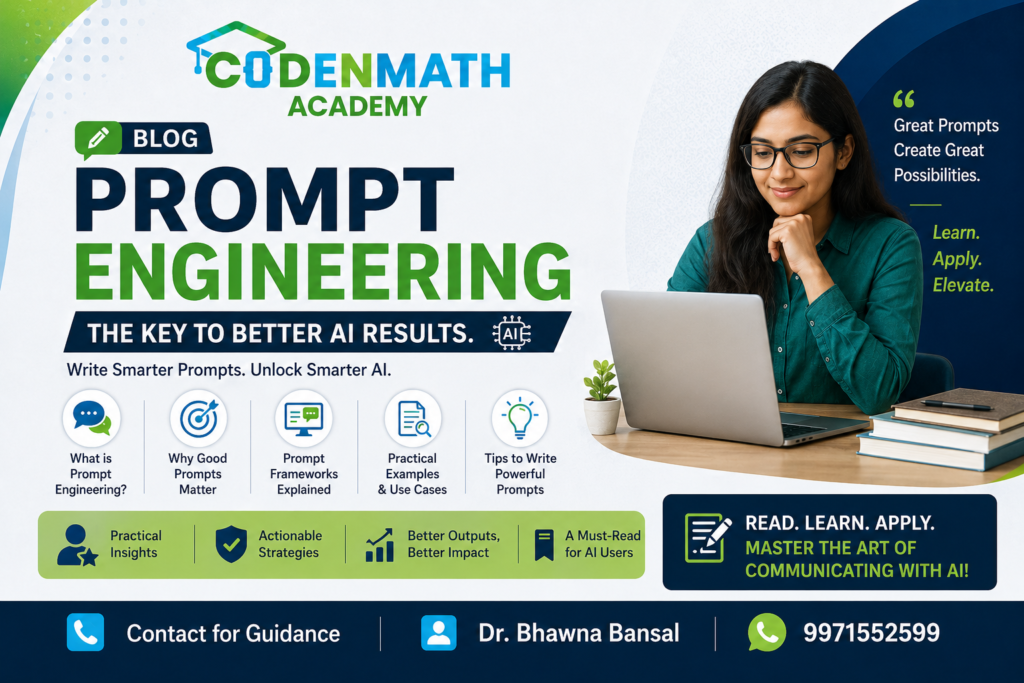
Why Prompt Engineering Matters for Everyone
Before diving into the mistakes, it’s worth understanding why this skill has become essential across every walk of life. AI models don’t “read minds” — they predict the most likely useful response based on the input they receive. A vague prompt produces a vague, generic answer. A precise, well-structured prompt produces something closer to expert-level output.
This matters whether you’re a:
- Professional drafting emails, reports, or code
- Student researching a topic or summarizing a textbook chapter
- Homemaker planning meals, budgets, or a child’s study schedule
- Small business owner writing marketing copy without a marketing team
In every case, prompt engineering is the bridge between “AI gave me something usable” and “AI gave me something forgettable.” Now let’s look at where most people go wrong.
Mistake 1: Being Too Vague
The single biggest mistake is typing a one-line request like “write a diet plan” or “help me with a resignation letter” and expecting a tailored result. AI fills the gaps with generic assumptions when you don’t specify who it’s for, what the goal is, or what constraints apply.
Fix: Always state the goal, the audience, and the purpose. Instead of “write a diet plan,” try “create a 7-day vegetarian diet plan for a working mother with high cholesterol, focusing on quick 20-minute meals.”
Mistake 2: Skipping Context
Many users assume the AI already knows their situation. It doesn’t — every conversation starts fresh unless you provide background.
Fix: Include relevant details: your role, your audience, your constraints, or prior decisions. A parent asking for a study plan should mention the child’s age, subject weaknesses, and available study hours per day.
Mistake 3: Not Giving Examples
AI can’t guess your idea of “good” unless you show it. Asking for a “professional-sounding email” leaves too much room for interpretation.
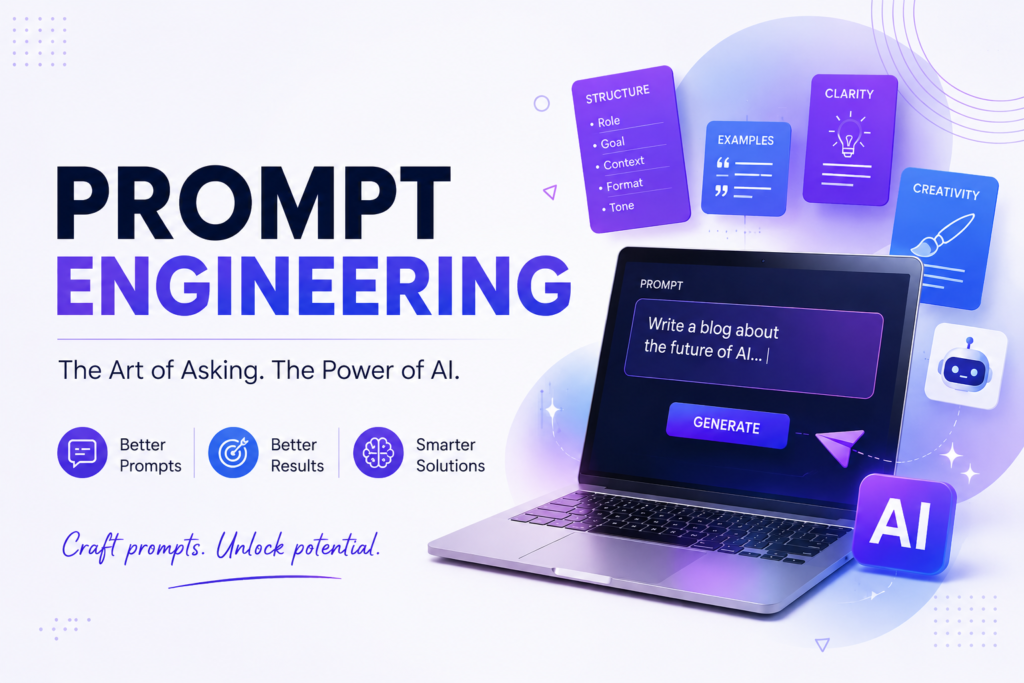
Fix: Paste a sample of writing you like, or reference a known style (“write it in the tone of a warm but firm PTA notice”). Examples act as a quality benchmark the AI can match.
Mistake 4: Ignoring Format and Style
A common frustration is receiving a huge, unstructured wall of text when you needed a short list or table. This happens because the desired format was never specified.
Fix: Be explicit about structure — bullet points, word count, table format, tone (formal, casual, encouraging), and length. This single step often improves usability more than any other.
Mistake 5: Accepting the First Answer
Many people treat the first AI response as final, even when it’s clearly average. Prompt engineering isn’t a one-shot process — it’s a conversation.
Fix: Treat the first response as a draft. Refine it: “make this shorter,” “add more warmth,” “simplify the language for a beginner.” Iteration is where the real quality improvement happens.
Mistake 6: Overloading a Single Prompt
Cramming five unrelated requests into one prompt — a recipe, a shopping list, a budget plan, and a workout schedule — confuses the AI and dilutes every answer.
Fix: Break large tasks into smaller, focused prompts. One clear goal per prompt produces sharper, more usable results.
Mistake 7: Forgetting Who the Output Is For
A prompt written for a corporate audience delivers wildly different results than one meant for a 10-year-old or an elderly parent. Skipping audience details is one of the most overlooked prompt engineering mistakes.
Fix: Always specify who will read, use, or hear the output. Audience awareness shapes tone, vocabulary, and complexity more than any other factor.
The Takeaway
Prompt engineering isn’t a niche technical skill — it’s becoming as fundamental as searching the internet well. Whether you’re managing a household, running a business, teaching a classroom, or leading a team, the way you ask determines the value you get from AI. Avoiding these seven mistakes instantly elevates the quality of every AI interaction you have.
Frequently Asked Questions (FAQs)
Q1: What is prompt engineering in simple terms?
Prompt engineering is the practice of writing clear, structured instructions for AI tools so they understand your goal, context, and expectations, resulting in more accurate and useful responses.
Q2: Is prompt engineering only useful for tech professionals?
No. Prompt engineering benefits anyone who uses AI tools — including homemakers, students, teachers, healthcare workers, and small business owners — because it improves the usefulness of everyday tasks like planning, writing, and organizing.
Q3: What is the most common prompt engineering mistake?
The most common mistake is being too vague — giving the AI a short, unclear request without specifying the goal, audience, or desired format.
Q4: How can I improve my prompts quickly?
Add four things to every prompt: your goal, relevant context, an example of what “good” looks like, and your preferred style or format. This simple structure dramatically improves output quality.
Q5: Do I need technical skills to learn prompt engineering?
No technical or coding background is required. Prompt engineering is a communication skill, not a programming skill, making it accessible to absolutely anyone.